
Research is relevant.
You may have read a news article or two about microbiomes and how our bodies have different microbial communities that live in our guts, skin, or elsewhere. These microbiomes can help or hurt our bodies. We also have different microbiomes in our built environment—such as our homes, workplaces, and hospitals. Think about what’s hanging out in your sink. The research into microbiomes of built environments is really just beginning.
In the NSF-funded PreMiEr Engineering Research Center, I’m researching and engaging with scientists, engineers, industry, and the public on societal and ethical implications (SEI) of precision microbiome engineering in the built environment. I measure public opinion, conduct interviews and collect observational data, collaborate with multidisciplinary research partners and communities, and design strategies to engage the public and communicate microbiome research and engineering. It turns out that most people are open to microbiome engineering technologies if they are carefully vetted, shown to be successful in improving public health, and minimize negative unintended consequences. This is true even for genetically engineered microbes.
As an endlessly curious individual, it is a privilege to learn cutting-edge science and apply responsible research and innovation principles to study the societal and ethical impacts of emerging biotechnology. As a journalism and communication expert, this role gets me asking and addressing those tough questions that scientists and researchers need to ask.
Beyond my current role as senior research scholar at NC State University, other questions that I have asked and answered as a researcher include: How can we use community engagement through scenario planning to unwind the spiral of silence that surrounds climate change discussion in Wyoming? How do identity and emotions impact media effects, whether it is purchasing products from our favorite Instagram health influencers or identifying information as fact or partisan opinion?
To answer these questions, I use social scientific research methods, including experimental design, survey design and public opinion research, quantitative content analysis of media coverage, and advanced statistical analysis for the social sciences. I also use qualitative methods as well, including focus groups, scenario workshops, and interviewing. I use analytical programs (e.g., SPSS, MAXQDA, Amos), content management systems (e.g., Canvas, WordPress; I also know HTML and CSS), project management software (e.g., Confluence, Microsoft Teams), and multimedia software (e.g., Canva, Adobe Creative Suite, Audacity, VidGrid).

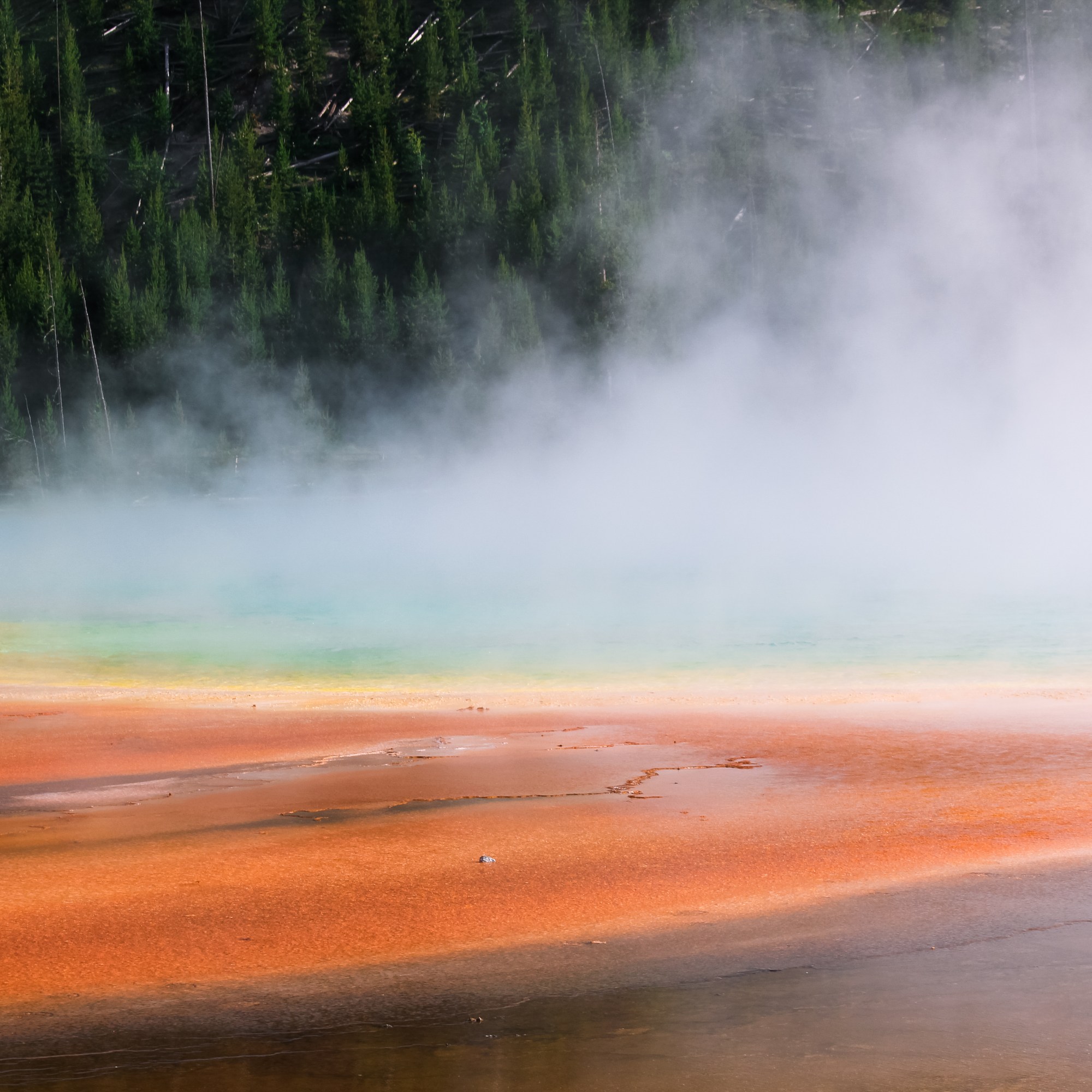
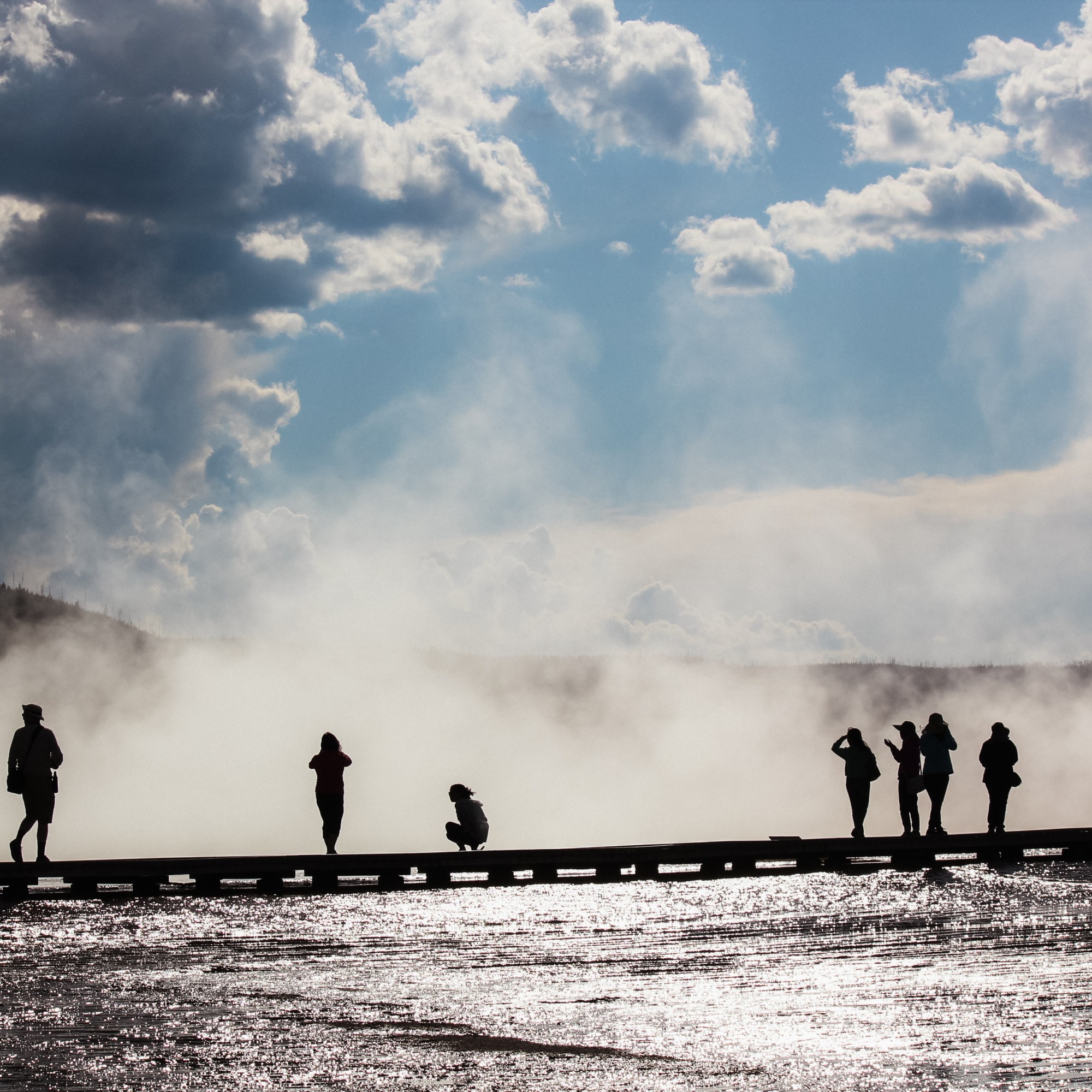

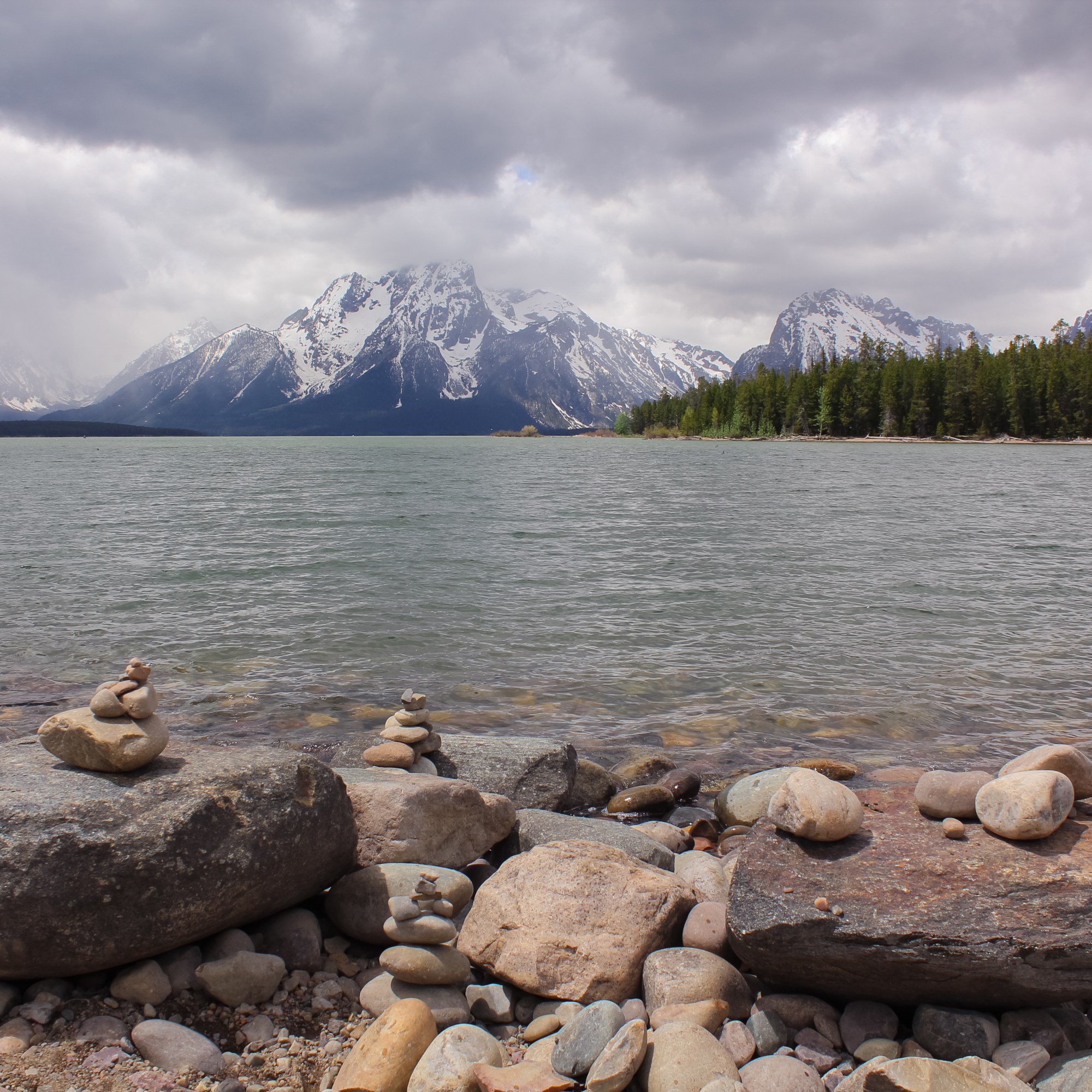
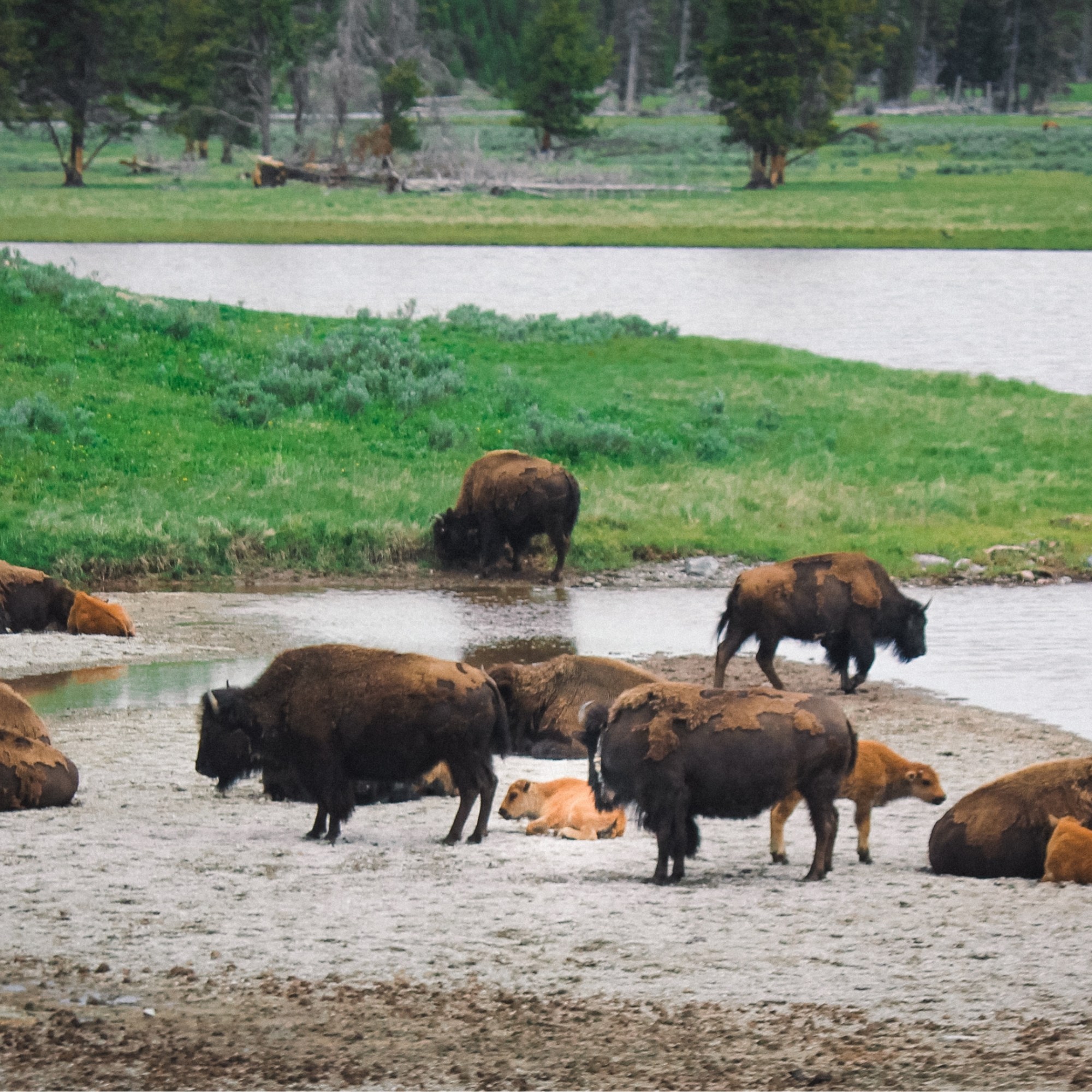
I took the featured photos above during my travels to Grand Teton National Park and Yellowstone National Park, where I was lucky enough to regularly visit as a Wyomingite.
Adapting to Climate and Water Changes in Wyoming
I am a lead social scientist and communication expert on a $20 million NSF EPSCoR grant at the University of Wyoming’s EPSCoR office that helps Wyoming prepare for the climate-water transition. I coordinate the public opinion and science communication project elements of the grant, which is called WyACT (Wyoming Anticipating the Climate-Water Transition). I work with an interdisciplinary team of economists, ecologists, data scientists, atmospheric scientists, and hydrologists. We seek to build trust with the Wyoming public, ranchers, water rights users, policy makers, and industry so we can collaborate to better prepare for the impacts of climate change and water disruptions.
Most recently, I led the team’s survey of Wyoming residents’ perceptions on climate and water issues (see the infographic, full report, and interactive website). Wyoming residents overwhelmingly believed that climate change is happening (86%), but they were split on the causes of climate change, with 46.8% of respondents saying that natural fluctuations in Earth’s temperatures are the cause and 39.2% of respondents saying that humans are largely the cause. Moreover, Wyoming residents overwhelmingly believed Wyoming is susceptible to changing water resources (82%), and they want communities to plan for these changes (81%).
I provided interviews to WyoFile, Wyoming Public Radio, and Public News Service, who have covered the survey results. Below is a screen shot of the WyoFile story, which was their top featured story of the week.

Our interdisciplinary efforts are grounded in coproduction of knowledge, where we engage with the public and stakeholders at each step of the way in order to learn, design, and implement the most effective communication efforts. I am currently coauthoring a paper on how we can assess and evaluate of coproduction of knowledge strategies.
From 2017 to 2022, I served on the previous Wyoming EPSCoR Track-1 grant on microbial ecology. Specifically, I worked with media editors and journalists in Wyoming to provide workforce development in science journalism. The grant also provided science journalism education to students and provided paid science journalism internships at Wyoming media outlets. I also created the Wyoming EPSCoR Best in Science Reporting Award that awards the best science journalism produced at Wyoming newspapers each year, which was presented at the Wyoming Press Association Annual Winter Convention.
My work has been called truly innovative by NSF because it focuses on training better science journalists, who are largely responsible for educating the public about important science issues, from public health to technological innovation to climate change.
Learn more about my background in media and content creation.
Research Specs
Beyond this grant work, I have published 25+ peer-reviewed journal articles, 6 book chapters, and 40+ conference presentations. I serve currently on the editorial board of Mass Communication & Society and Humanities and Social Sciences Communications and I concluded my editorial board service at Journal of Communication in Sept. 2022.
According to my Google Scholar profile, I have an all-time total of 2,069 citations, with 629 of those citations being since 2020, which shows evidence of my international reputation and leadership in the communication discipline.
Engaged Scholarship
As a professor at University of Wyoming for 13 years, I regularly engaged in statewide service, outreach, and engagement activities that benefited Wyoming K-12 students, Wyoming residents, and Wyoming journalists. Many of these interactions focused on increasing media literacy, understanding political communication and fake news, and improving science/ENR/health journalism. From attendance at these events, I reached more than 500 Wyoming residents in an outreach and engagement capacity. Additionally, I was a faculty fellow with the UW High School Institute from 2013 to 2018, teaching multimedia storytelling & media literacy to Wyoming high school students during the summers.
 Kristen Landreville, Ph.D.